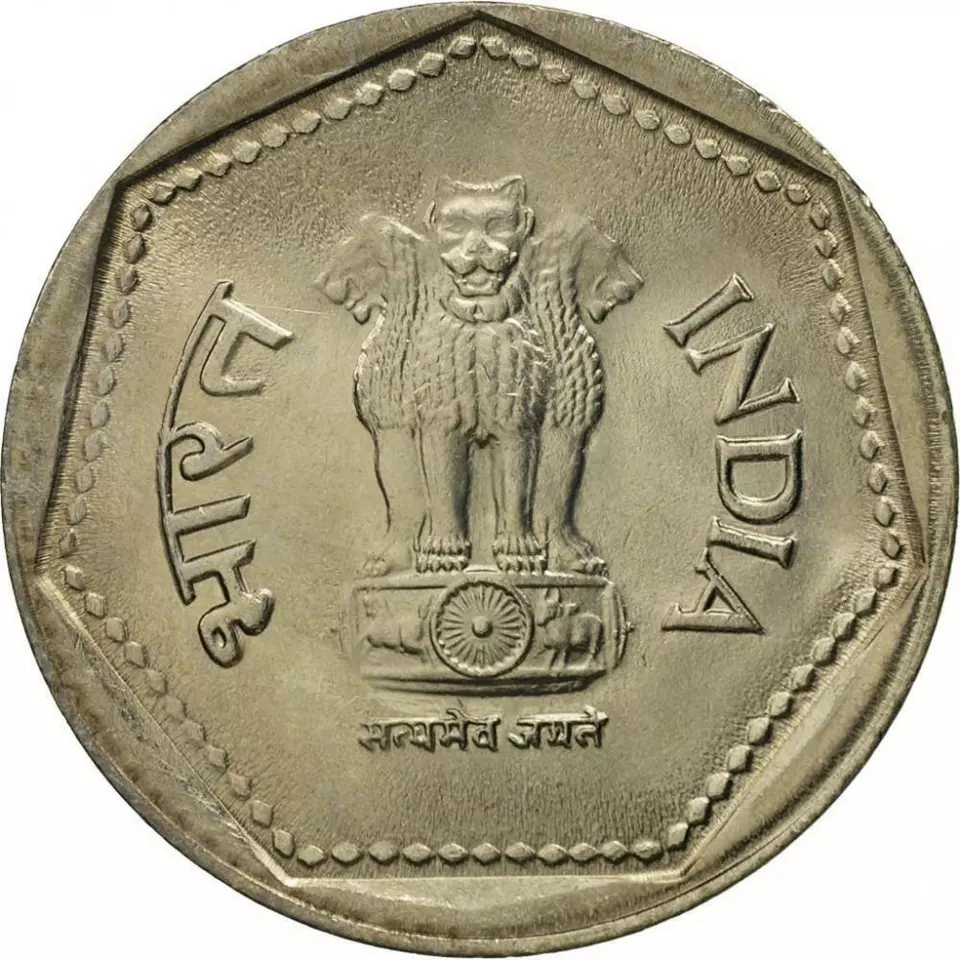
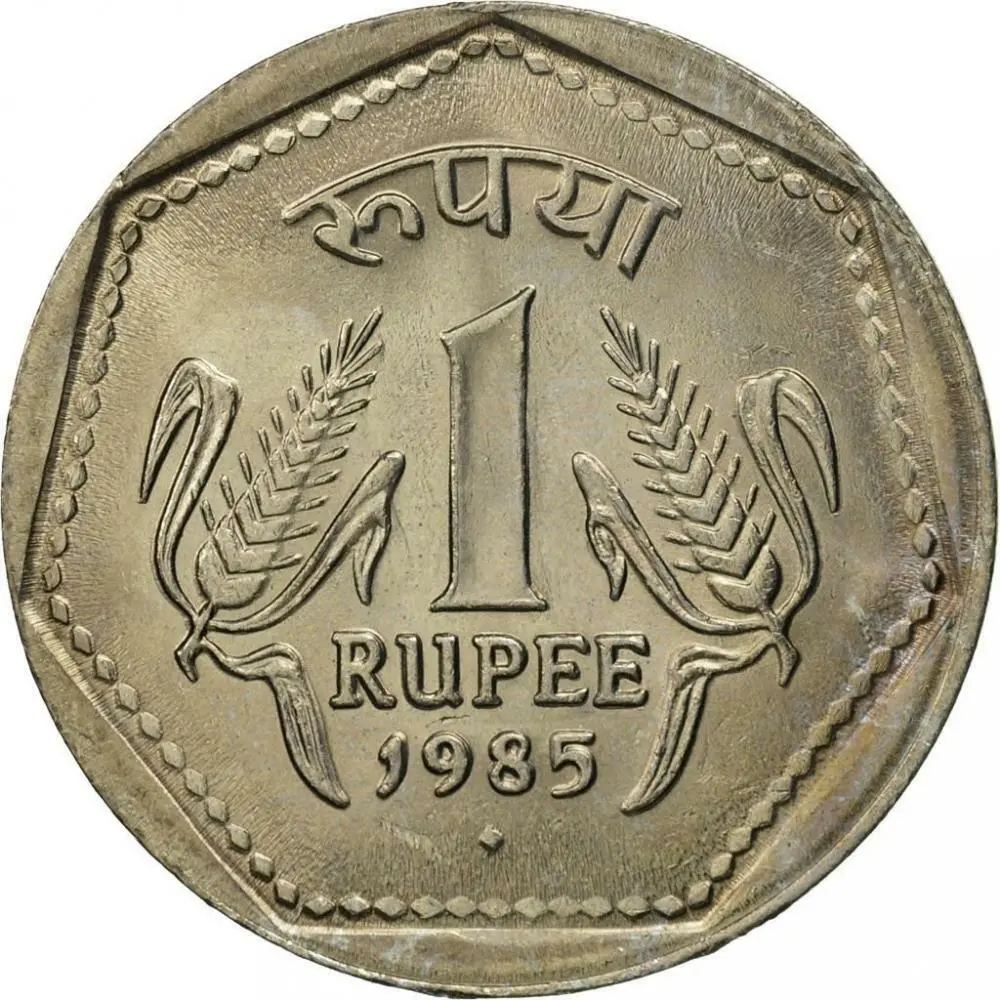
Virtual Coin Flip Decision Maker
The coin toss is one of humanity's oldest methods of making binary decisions by chance. Ancient Romans used a form of coin toss called "navia aut caput" (ship or head) as early as the 1st century BCE, referring to the two sides of their coins. Today, coin tosses remain a recognised method of random selection in law, sport, and everyday life. The mathematical probability of heads or tails on a fair coin is exactly 50%, making it the simplest and most transparent form of unbiased randomisation available.
Coin Toss in Indian Sports and Official Decisions
The coin toss holds official status in India's most beloved sports. In cricket - India's national passion with over 100 million active followers according to ICC surveys - the pre-match coin toss determines which team bats or fields first and is a defining strategic moment in Test matches. The Board of Control for Cricket in India (BCCI) follows ICC regulations for the coin toss in all official formats. In football, kabaddi, and other sports governed by the All India Football Federation and Pro Kabaddi League, coin tosses decide initial play direction and team selection.
Yes/No Decision Tool for Everyday Use
Beyond sports, a virtual coin flip serves as a quick, impartial decision-making tool for everyday dilemmas - choosing between two lunch options, deciding who pays the bill, settling friendly debates, or breaking ties in group decisions. Unlike physical coins, a digital coin toss uses a cryptographically random number generator to ensure perfect 50-50 fairness with no physical bias from coin weight or flip technique. Users can also type a custom yes/no question and let the coin decide, making it a practical and engaging tool for quick decisions on mobile or desktop.